English
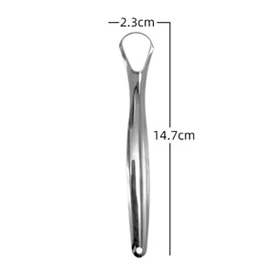
As a professional manufacturer and exporter of oral care products, BDAC often receives a common question from our global B2B clients: "Are plastic Tongue Scrapers safe for long-term use?" The short answer is — yes, plastic Tongue Scrapers are generally safe when made from medical-grade, BPA-free materials. However, when compared to stainless steel or copper models, there are clear distinctions in durability, hygiene performance, and environmental impact that every buyer should understand before sourcing in bulk.
This article breaks down the pros and cons of plastic Tongue Scrapers from a manufacturing and wholesale perspective — providing insights to help distributors, private label brands, and importers make informed purchasing decisions.
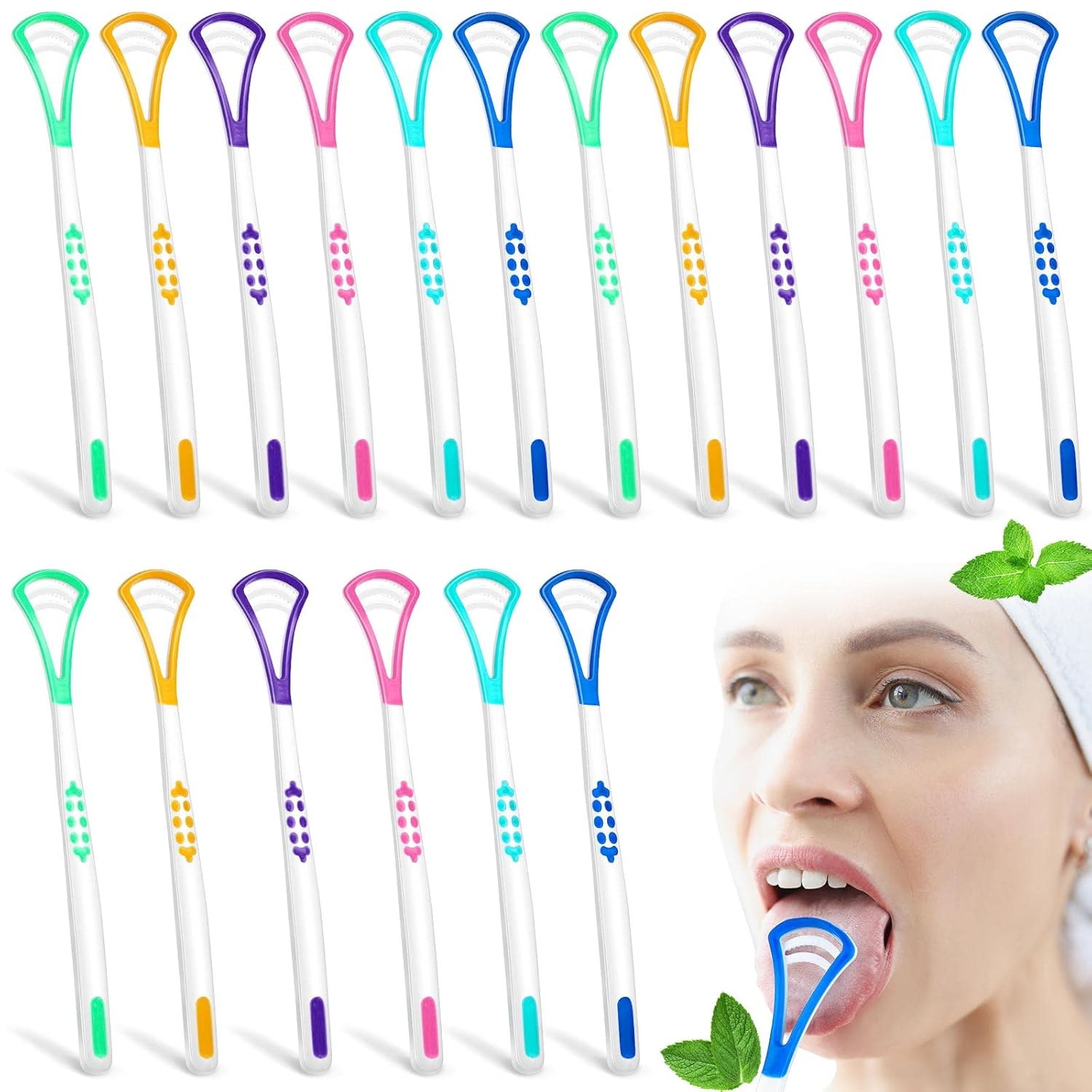
Plastic Tongue Scrapers are safe when manufactured under proper material and quality standards. However, their limited lifespan, lower scraping efficiency, and environmental footprint make them better suited for cost-sensitive markets, travel kits, or disposable product lines, rather than for premium or professional-grade oral care collections.
The safety of a plastic Tongue Scraper depends largely on the raw materials used.
At BDAC, compliant plastic scrapers are typically made from:
BPA-free Polypropylene (PP) or High-Density Polyethylene (HDPE)
Medical-grade thermoplastic elastomers (TPE) for flexibility and comfort
FDA-approved, REACH-compliant resins to ensure non-toxicity and heat resistance
When these materials are properly sourced and processed, the product poses no health risk. However, manufacturers that cut corners by using recycled or unverified plastics risk introducing contaminants — a major red flag for distributors targeting regulated markets such as the EU, US, or Japan.
Industry note: Always verify that your supplier provides MSDS documentation and material traceability reports before bulk purchasing.
Despite their limitations, plastic Tongue Scrapers remain popular in several oral care product categories. Let's look at why they're still widely used:
Plastic scrapers are cheaper to produce, especially through injection molding. This makes them ideal for mass retail packaging, promotional giveaways, and starter oral care kits.
Their flexibility reduces the risk of discomfort for first-time users or individuals with sensitive tongues. This makes them a good entry-level option for consumers transitioning from toothbrush-based cleaning.
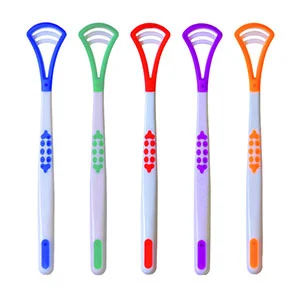
Plastic materials offer a wide range of color and shape possibilities, perfect for brands seeking vibrant, visually appealing packaging.
For private label clients, BDAC offers custom-mold development and branding options such as logo embossing or printing.
Plastic scrapers are lightweight and convenient, making them suitable for disposable or travel-friendly sets. Many hospitality and healthcare suppliers choose plastic models for short-term use.
While plastic Tongue Scrapers offer flexibility and affordability, they fall short in several key areas when compared to stainless steel or copper alternatives.
Plastic scrapers typically last 1–3 months, depending on usage and storage. Exposure to heat and moisture can cause warping or microbial buildup, requiring frequent replacement.
Plastic edges are softer than metal ones, making them less effective at removing thick tongue coating and odor-causing bacteria. For users seeking clinical-level hygiene, this can be a drawback.
Plastic products contribute to non-biodegradable waste if not properly recycled. This is increasingly important as eco-conscious consumers and distributors shift toward sustainable materials like stainless steel.
Without proper molding precision and polishing, the edges of plastic Tongue Scrapers may cause uneven pressure or leave residue behind. Partnering with certified manufacturers is key to ensuring consistent product quality.
In the global oral care industry, plastic Tongue Scrapers hold strong demand in specific segments:
| Market Segment | Product Type | Typical Material | Price Range |
|---|---|---|---|
| Mass retail | Disposable / entry-level | Plastic | Low |
| Travel kits | Compact & lightweight | Plastic / PP | Low–Medium |
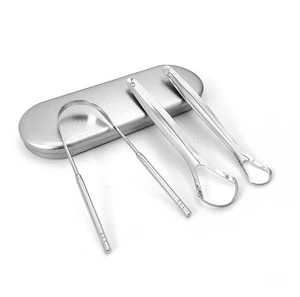
| Professional hygiene sets | Long-term reusable | Stainless Steel | Medium–High |
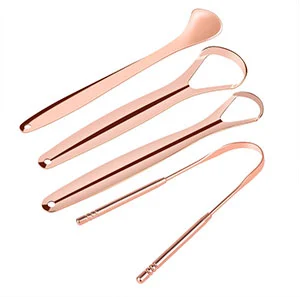
| Ayurvedic / wellness lines | Natural focus | Copper | High |
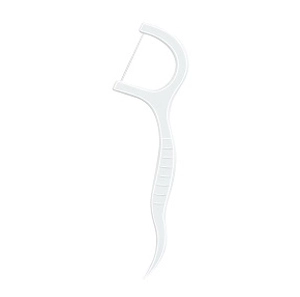
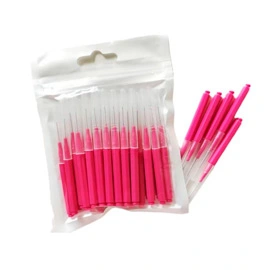
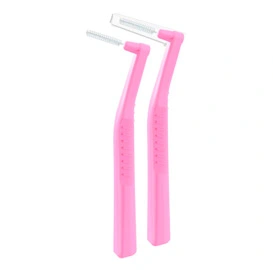
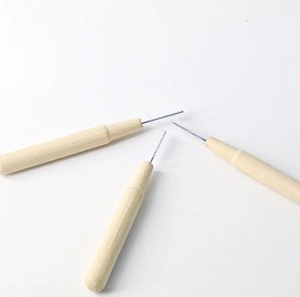
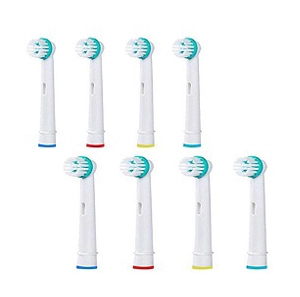
BDAC's global clients often order plastic scrapers as complementary products within oral hygiene bundles, combining them with toothbrushes, flossers, and interdental brushes to create complete value sets.
At BDAC, our plastic Tongue Scrapers undergo strict quality control procedures:
Injection molding precision for smooth, rounded edges
Ultrasonic cleaning to remove residues before packaging
BPA-free and food-grade certification for all raw materials
ISO 9001 / ISO 13485 certified production environments
By meeting international standards, BDAC ensures that every scraper is safe, hygienic, and export-ready, meeting the import requirements of major markets including the US, EU, and Southeast Asia.
| Feature | Plastic Tongue Scraper | Stainless Steel Tongue Scraper |
|---|---|---|
| Durability | 1–3 months | 5–10 years |
| Cleaning Efficiency | Moderate | Excellent |
| Maintenance | Disposable | Reusable |
| Material Safety | BPA-free PP/HDPE | Medical-grade 304/316 steel |
| Eco Impact | Less sustainable | Recyclable |
| Target Market | Cost-sensitive, travel kits | Premium oral care lines |
Conclusion:
For mass-market or promotional purposes, plastic Tongue Scrapers remain a practical and safe option. However, for long-term use or professional branding, stainless steel models offer higher performance and sustainability.
If you're sourcing oral care products at scale, consider segmenting your product line:
Plastic Tongue Scrapers → For entry-level, travel, or one-time-use kits
Stainless Steel Tongue Scrapers → For premium, eco-conscious, and medical-grade markets
This tiered approach allows your brand to cover both volume-driven and value-driven customer segments, increasing profitability and market adaptability.
Plastic Tongue Scrapers are safe when made from quality, BPA-free materials and processed under strict manufacturing controls. However, they're best positioned as cost-effective, disposable tools, not long-term hygiene solutions. For distributors, balancing product diversity — offering both plastic and stainless steel variants — ensures you meet the full spectrum of consumer needs across global markets.
BDAC is a leading manufacturer and exporter of Tongue Scrapers, toothbrushes, interdental brushes, and professional oral care kits.
We specialize in OEM and ODM customization, delivering high-quality, certified products to global distributors, wholesalers, and private label brands.
With over a decade of manufacturing excellence, BDAC helps you build stronger brands and cleaner smiles — one scraper at a time.