English
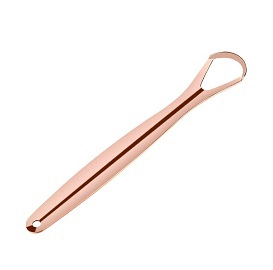
In the world of oral care manufacturing and distribution, few products have gained as much attention in recent years as the Tongue Scraper — especially stainless steel models. Yet, despite growing global demand, misinformation still circulates among distributors, consumers, and even some retailers.
As an industry expert and manufacturer, BDAC has spent years refining the design, production, and quality standards of stainless steel Tongue Scrapers for both domestic and international markets. Below, we'll debunk five common myths that continue to confuse buyers and explain why stainless steel remains the gold standard for professional-grade oral hygiene tools.
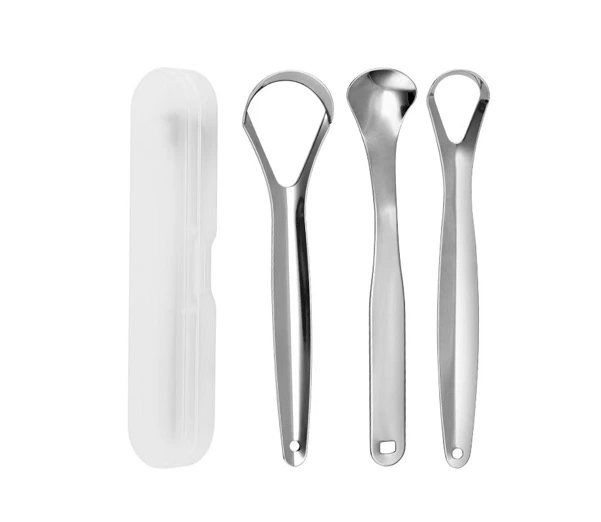
This is one of the most persistent misconceptions — and completely false when quality materials are used.
Professional-grade stainless steel Tongue Scrapers, such as those made from 304 or 316 medical-grade steel, are corrosion-resistant, non-reactive, and built for long-term use. The "stainless" designation refers to the material's chromium content, which forms a protective oxide layer that prevents rusting.
However, poor-quality scrapers made from low-grade alloys or unpolished metal may discolor or corrode, especially in humid environments. This is why certified raw materials and precision polishing are critical during manufacturing.
At BDAC, we ensure all stainless steel scrapers undergo acid passivation and ultrasonic cleaning before packaging — guaranteeing that every product remains durable, hygienic, and rust-free, even after years of use.
This misconception often arises from users comparing steel scrapers to plastic ones. In reality, a well-designed stainless steel Tongue Scraper offers a smoother, more efficient cleaning experience — not a harsher one.
The scraping edge is engineered to be rounded and polished, not sharp, allowing for gentle yet effective removal of biofilm and debris. Unlike plastic models, which can bend or lose their shape over time, stainless steel maintains consistent pressure during each stroke.
Professional Design Insight:
At BDAC, scraper curvature and edge thickness are carefully calibrated during CNC processing to achieve an ideal balance between comfort and effectiveness. This is especially valuable for brands targeting dental clinics, wellness centers, and premium oral care markets.
Another myth that often deters first-time buyers is the belief that stainless steel requires high maintenance. The truth? It's one of the most low-maintenance materials in the oral care industry.
A simple rinse under warm water after use and occasional sterilization with alcohol or boiling water is enough to keep it hygienic. Stainless steel resists both staining and microbial buildup, making it more sanitary than plastic alternatives, which may harbor bacteria in micro-scratches.
From a wholesale perspective, this simplicity translates into stronger end-user satisfaction and repeat orders. Products that require less upkeep often gain better consumer trust and loyalty.
While the initial cost of stainless steel is higher than plastic, the long-term value far outweighs the price difference. Stainless steel Tongue Scrapers can last for 5–10 years with proper care, compared to plastic scrapers that need replacement every few months.
This durability creates a strong cost-per-use advantage, which is particularly appealing to environmentally conscious consumers and professional dental suppliers.
Moreover, as stainless steel production has scaled globally, the cost gap has narrowed significantly, allowing manufacturers like BDAC to offer competitive bulk pricing without compromising on quality.
For distributors, this means stainless steel models can be marketed as "premium yet affordable" products — ideal for mid- to high-end oral care sets or wellness gift packages.
Many still believe tongue cleaning is optional or redundant. However, clinical research tells a different story. Studies published in journals like the International Journal of Dental Hygiene confirm that regular tongue scraping removes up to 75% more volatile sulfur compounds (VSCs) — the main cause of bad breath — than brushing alone.
From a business standpoint, this growing body of evidence supports increasing market demand for Tongue Scrapers across North America, Europe, and Asia-Pacific.
BDAC's Market Data Insight:
In the past two years, we've observed a 40% rise in international wholesale orders for stainless steel scrapers, particularly from clients expanding into professional dental and lifestyle wellness categories. This indicates a clear upward trend in consumer awareness and acceptance.
Beyond myth-busting, it's important to understand why stainless steel has become the material of choice for serious oral care brands:
Durability: Resistant to bending, warping, and cracking.
Hygiene: Non-porous surface prevents bacterial growth.
Sustainability: 100% recyclable and long-lasting, reducing plastic waste.
Professional Appeal: Aligns with clinical, wellness, and eco-conscious branding.
Manufacturers like BDAC also provide OEM and ODM customization options — including logo engraving, ergonomic handle shaping, and matte or mirror finishes — enabling distributors to create differentiated products for specific market segments.
The myths surrounding stainless steel Tongue Scrapers often stem from misunderstanding material science or exposure to low-quality products. In truth, stainless steel remains the most hygienic, durable, and professional-grade option for modern oral care.
For wholesalers, distributors, and private label brands, aligning with certified manufacturers ensures both product reliability and market competitiveness — key factors in driving long-term growth and customer trust.
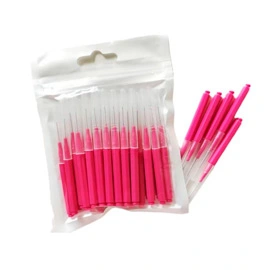
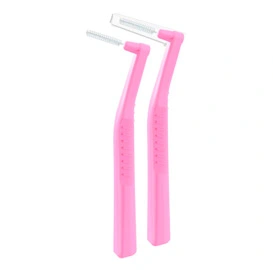
BDAC is a leading manufacturer and exporter of Tongue Scrapers, toothbrushes, interdental brushes, and professional oral care kits.
With advanced production technology, strict ISO-certified quality control, and a strong OEM/ODM capability, BDAC supplies global distributors and dental care brands with premium, compliant, and customizable oral care solutions.
Whether you're looking to expand your product line or enhance brand value, BDAC provides the manufacturing expertise and partnership needed for success in the competitive oral care industry.